08069841500
 support@drpratim.com
Follow Us :
08069841500
support@drpratim.com

Carbohydrates are often the first thing people cut when trying to eat healthy. But the real problem isn’t carbs—it’s choosing the wrong kind.

Some carbohydrates nourish your body, keep you energized, and support digestion, while others quietly drain your energy and disturb blood sugar balance.
Let’s break down the difference in a simple, practical way.
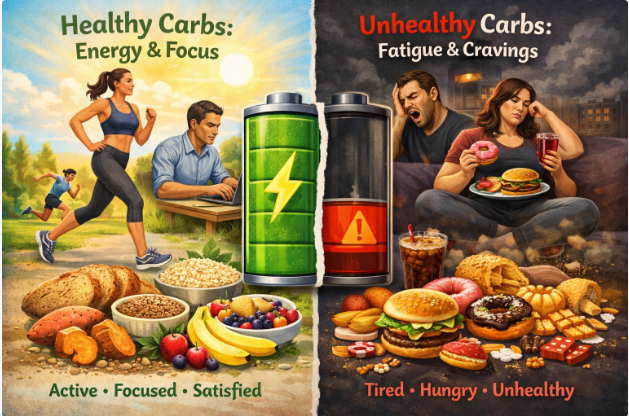
Carbohydrates are the body’s main source of fuel. Every movement, thought, and daily task relies on energy that comes largely from carbs. When chosen wisely, they help you stay active, focused, and satisfied. When chosen poorly, they can lead to fatigue, cravings, and long-term health issues.
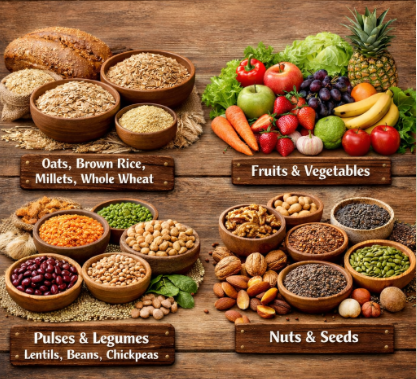
Good carbohydrates are natural, fiber-rich, and minimally processed. Their complex structure means they take longer to digest, releasing energy slowly and keeping you full for longer.
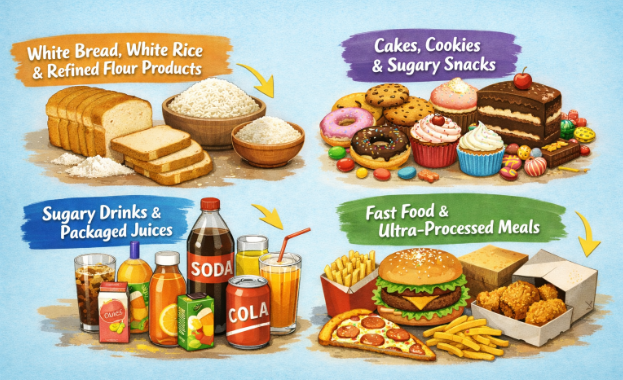
Bad carbohydrates are refined and heavily processed. They lack fiber and essential nutrients, digest quickly, and often contain added sugars.
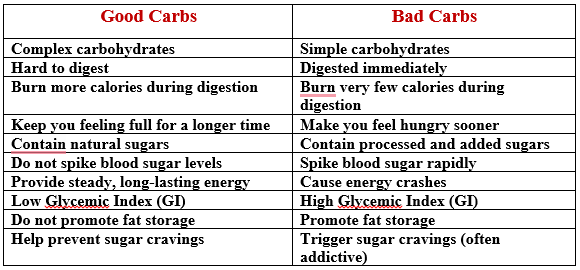
You don’t need to eliminate carbohydrates to stay healthy. Instead:
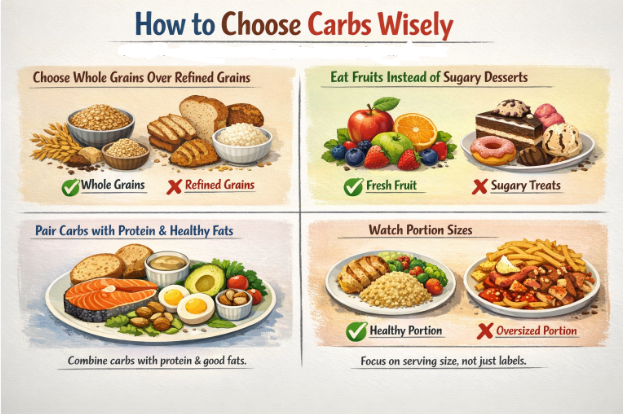
Small changes can make a big difference.
Carbohydrates are not the enemy. The type of carbs you eat determines whether they work for your body or against it. Choosing fiber-rich, natural carbohydrates helps maintain energy, control blood sugar, and support long-term health. Eat smart, not carb-free.
No. Good carbohydrates can actually support weight loss by keeping you full longer and preventing overeating.
Yes, but they should focus on low-GI, high-fiber carbs and control portion sizes.
White rice is refined and digests quickly. Eating it occasionally is fine, but whole grains are a better daily choice.
Yes. Fruits contain natural sugars along with fiber, vitamins, and antioxidants.
You don’t need to avoid them entirely. Limiting their intake and choosing healthier alternatives most of the time is a balanced approach.

© 2025, Dr. Pratim. All Rights Reserved. Powered By NCIL IT Team