08069841500
 support@drpratim.com
Follow Us :
08069841500
support@drpratim.com
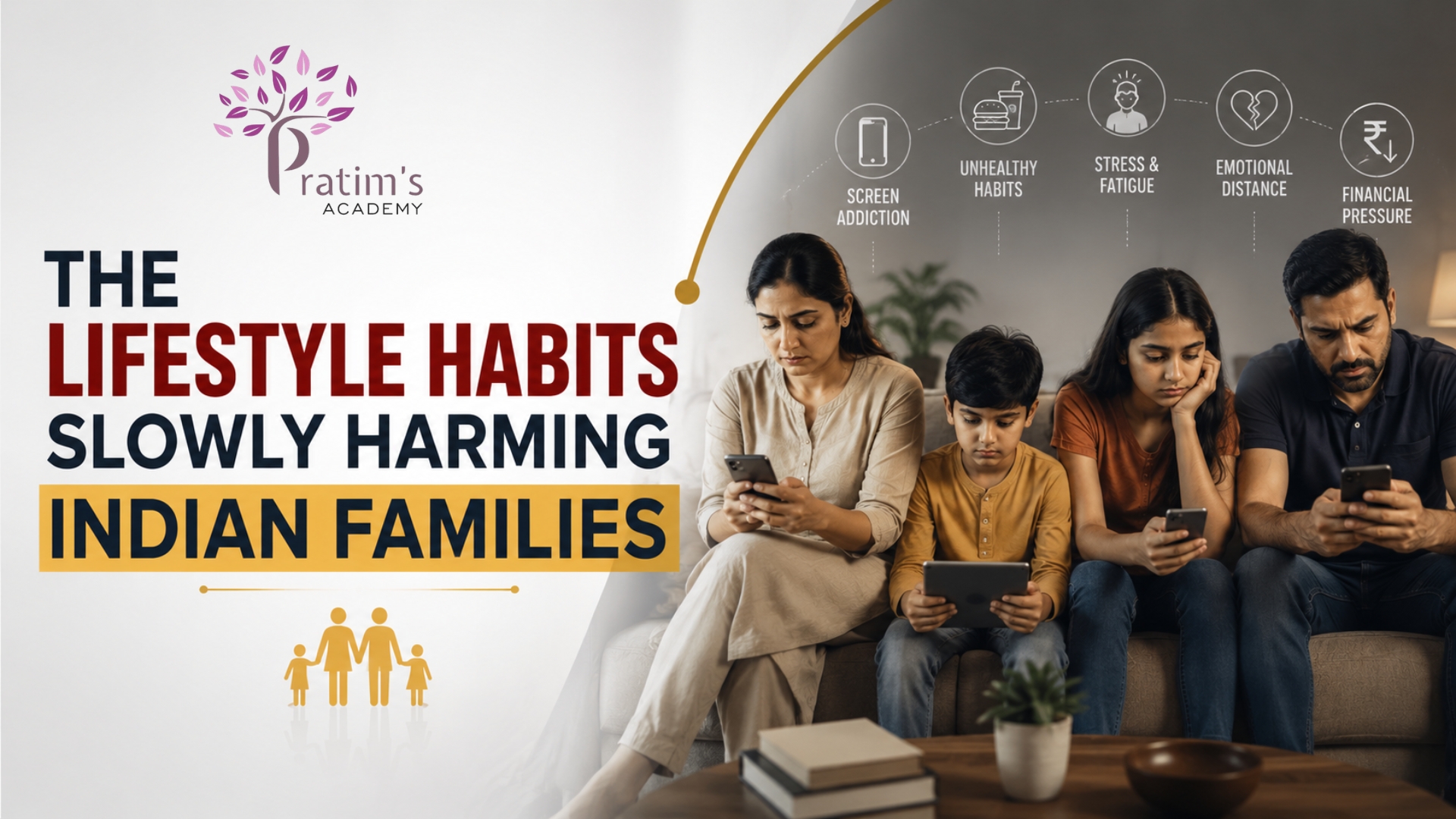
Indian families are known for their strong emotional bonds, and that’s something special. However, modern life is starting to change how we connect and support one another. Technology and economic growth have brought many benefits, but they can also lead to habits that create distance, stress, and health challenges. Everyday activities like spending too much time on screens and having packed schedules might seem harmless. However, these habits can slowly damage family relationships and hurt overall mental and physical health. For example, when family members choose their devices over chatting with each other, they miss out on those valuable connections. It’s important to notice these changes and make an effort to adjust. By dedicating quality time together and keeping the lines of communication open, families can build a warm and supportive atmosphere. This not only boosts emotional and physical health but also helps create joyful and connected family moments.
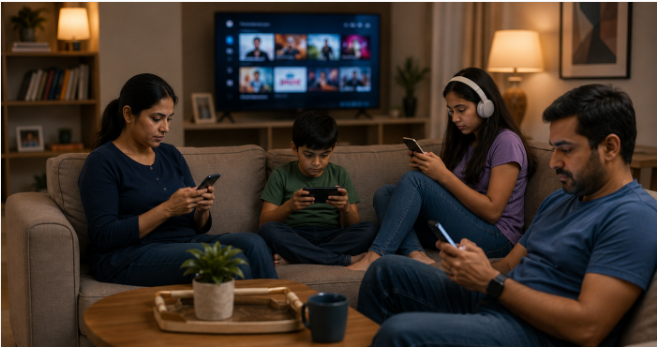
In many homes, smartphones, televisions, and social media are always present. Family members might be in the same room but often focus on different screens. Parents often scroll through social media after work, children may play mobile games for hours, and teenagers frequently connect to online platforms late at night. This means that meaningful conversations happen less often. Over time, less communication can weaken family bonds, lead to misunderstandings, and make family members feel emotionally distant, even when they live together.
What Families Can Do:

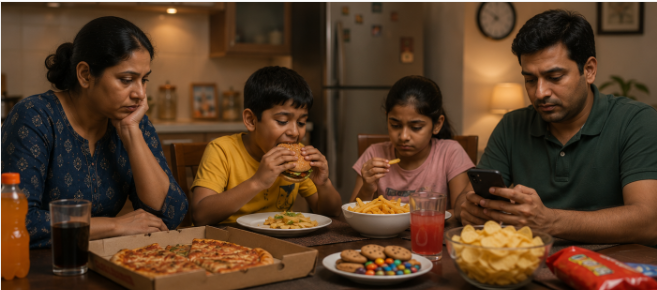
Busy lifestyles can lead people to rely more on quick meals, snacks, and sugary drinks. Although these choices offer convenience, they typically fall short in essential nutrients and are high in salt, sugar, and unhealthy fats. Kids who consume processed foods may form unhealthy eating patterns that persist into adulthood, potentially leading to issues like obesity, diabetes, high blood pressure, and digestive problems within Indian families.
What Families Can Do:

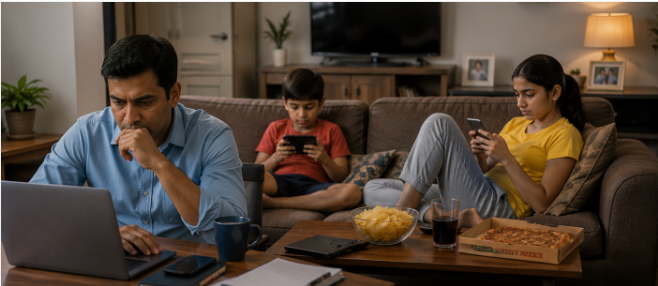
Modern lifestyles involve less physical activity than before. Many adults sit at desks for long hours, and children often prefer playing video games over going outside. Living a sedentary lifestyle increases the chances of becoming obese, developing heart disease, having joint problems, and facing mental health issues. It also lowers energy levels and reduces overall productivity.
What Families Can Do:


Staying up late to watch TV, scrolling through social media, and work stress can disrupt sleep. Many family members give up sleep without realizing how it affects their health. Not getting enough sleep can cause tiredness, mood swings, trouble focusing, a weaker immune system, and higher stress levels. Children and teenagers are particularly at risk from not getting enough sleep.
What Families Can Do:

Many households overlook emotional struggles, often seeing them as temporary issues. Stress, anxiety, burnout, and depression can affect people of all ages. When we do not address mental health concerns, relationships can suffer, communication may break down, and individuals may feel isolated.
What Families Can Do:

Many people spend a lot of time at work as they try to achieve financial security. While it’s great to grow in your career, it’s also important to make time for family. When work takes priority, it can create emotional distance. Children might feel a bit ignored, couples may face challenges in their relationship, and cherished family traditions could start to slip away. Balancing both aspects can help keep those connections strong.
What Families Can Do:


Many families want to live a certain lifestyle, which can lead them to spend too much money. The ease of using credit cards and shopping online has made impulsive spending more common. This financial pressure can cause stress in families and harm their mental health, leading to anxiety and arguments about money. To maintain their desired lifestyle without sacrificing their well-being, families should build healthy financial habits.
What Families Can Do:

Family meals are important in Indian culture because they let people connect through meaningful conversations and emotional support. These meals help strengthen family bonds. However, in today’s fast-paced world, different schedules often lead to family members eating alone. This separation limits daily interactions and weakens relationships within the family. It shows how important it is to set aside time for shared meals.
What Families Can Do:
Modern Indian families face challenges that come from small daily habits rather than from one big issue. Problems like too much screen time, unhealthy eating, not enough exercise, lack of sleep, emotional neglect, and poor work-life balance may seem minor on their own. However, together they can hurt family relationships and health. The good news is that making positive changes doesn’t take a lot of effort. Simple actions like spending quality time together, setting up healthy routines, and encouraging open communication can improve family bonds and well-being. By noticing these behaviors and making mindful choices, Indian families can stay connected while dealing with modern challenges.

© 2025, Dr. Pratim. All Rights Reserved. Powered By NCIL IT Team