08069841500
 support@drpratim.com
Follow Us :
08069841500
support@drpratim.com
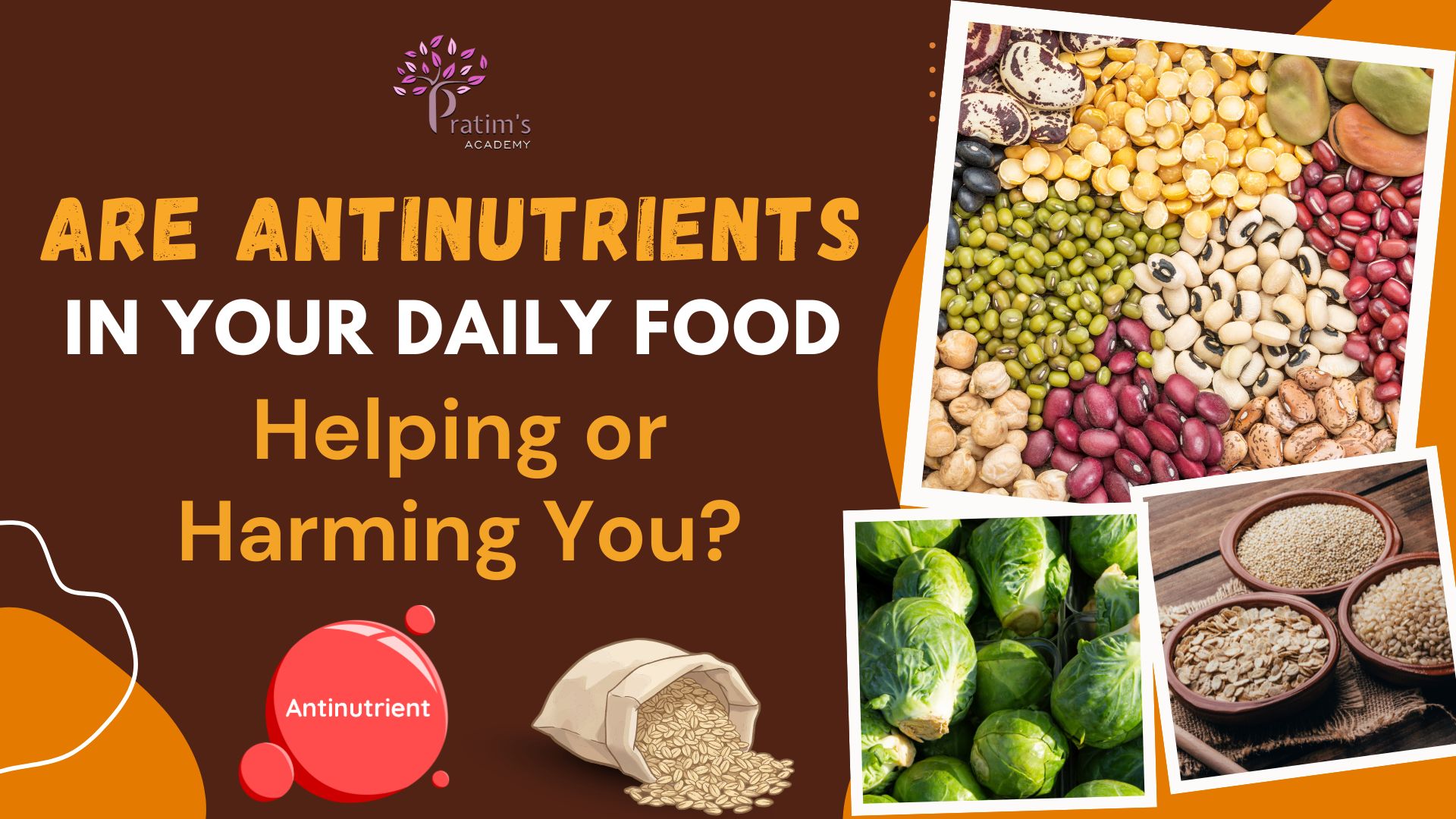
Spinach for calcium. Tea for antioxidants. Beans for protein. You’re eating healthy, right?
But what if some of these “superfoods” are quietly blocking nutrient absorption inside your body?
Welcome to the lesser-known world of antinutrients – natural food compounds that can reduce how well your body absorbs proteins, minerals, and vitamins. The good news? They’re not enemies, and with the right knowledge, you can outsmart them.
Antinutritives are naturally occurring compounds found in plant and animal foods that can interfere with the digestion, absorption, or utilization of nutrients. Depending on how they act inside the body, antinutritives are broadly classified into three groups: Class A, Class B, and Class C.

Class A antinutritives mainly affect protein digestion and amino acid availability. For this reason, they are often referred to as anti-protein compounds.

Trypsin and chymotrypsin are key digestive enzymes that break proteins into smaller, absorbable units. Inhibitors of these enzymes reduce their activity, leading to incomplete protein digestion and lower protein absorption.
Common food sources include:
Lectins are carbohydrate-binding proteins that attach to the lining of the intestine. By doing so, they can disrupt nutrient absorption. Some lectins can also cause red blood cells to clump together, which is why they are sometimes called hemagglutinins.
Foods rich in lectins include:
Class B antinutritives interfere with the absorption and metabolism of minerals, earning them the name anti-minerals.
Phytic acid binds strongly to minerals such as calcium, iron, zinc, and magnesium, forming insoluble complexes that the body cannot absorb. This effect is particularly significant in the small intestine, where most mineral absorption occurs.

Major sources of phytates include:
Oxalic acid forms insoluble salts with calcium, reducing its absorption. The impact depends on the oxalate-to-calcium ratio in the diet:

High-oxalate foods include:
Tip: Consuming calcium-rich foods after high-oxalate foods can help limit calcium loss.
Glucosinolates are known as goitrogenic compounds because they interfere with iodine uptake by the thyroid gland. Long-term consumption in large amounts may reduce the production of thyroid hormones.
Found mainly in:
Class C antinutritives reduce the availability of essential vitamins by inactivating them.
This enzyme destroys vitamin C, lowering its effectiveness in the body.

Foods containing this enzyme include:
Certain plant compounds such as catechols and tannins break down vitamin B1 (thiamine). These are commonly found in tea and some plant foods.
Some plant-based foods contain compounds that inactivate vitamin B6 (pyridoxine), reducing its biological availability.
The good news is that antinutritives can be significantly reduced through traditional food preparation methods, such as:

These methods improve nutrient bioavailability without eliminating nutritious foods from the diet.
Antinutrients are not villains – they are signals.
They remind us that:
Nutrition is not just about what you eat, but how you prepare it.
Eat diverse foods. Cook wisely. Rotate your diet.
That’s the real secret to nutrition.
1. Are antinutritives harmful to health?
Not necessarily. In normal diets, antinutritives are generally harmless and may even offer health benefits. Problems arise mainly with excessive intake or poor food preparation.
2. Should foods containing antinutritives be avoided?
No. Many antinutritive-rich foods are highly nutritious. Proper cooking and processing make them safe and beneficial.
3. Do antinutritives affect everyone equally?
No. Their impact depends on overall diet quality, nutrient intake, and cooking practices.
4. Can cooking destroy antinutritives?
Yes. Heat, soaking, fermentation, and sprouting significantly reduce most antinutritive compounds.
5. Why are antinutritives still present in healthy foods?
Many antinutritives serve protective roles in plants and may offer antioxidant or disease-preventive benefits when consumed in moderation.

© 2025, Dr. Pratim. All Rights Reserved. Powered By NCIL IT Team