08069841500
 support@drpratim.com
Follow Us :
08069841500
support@drpratim.com
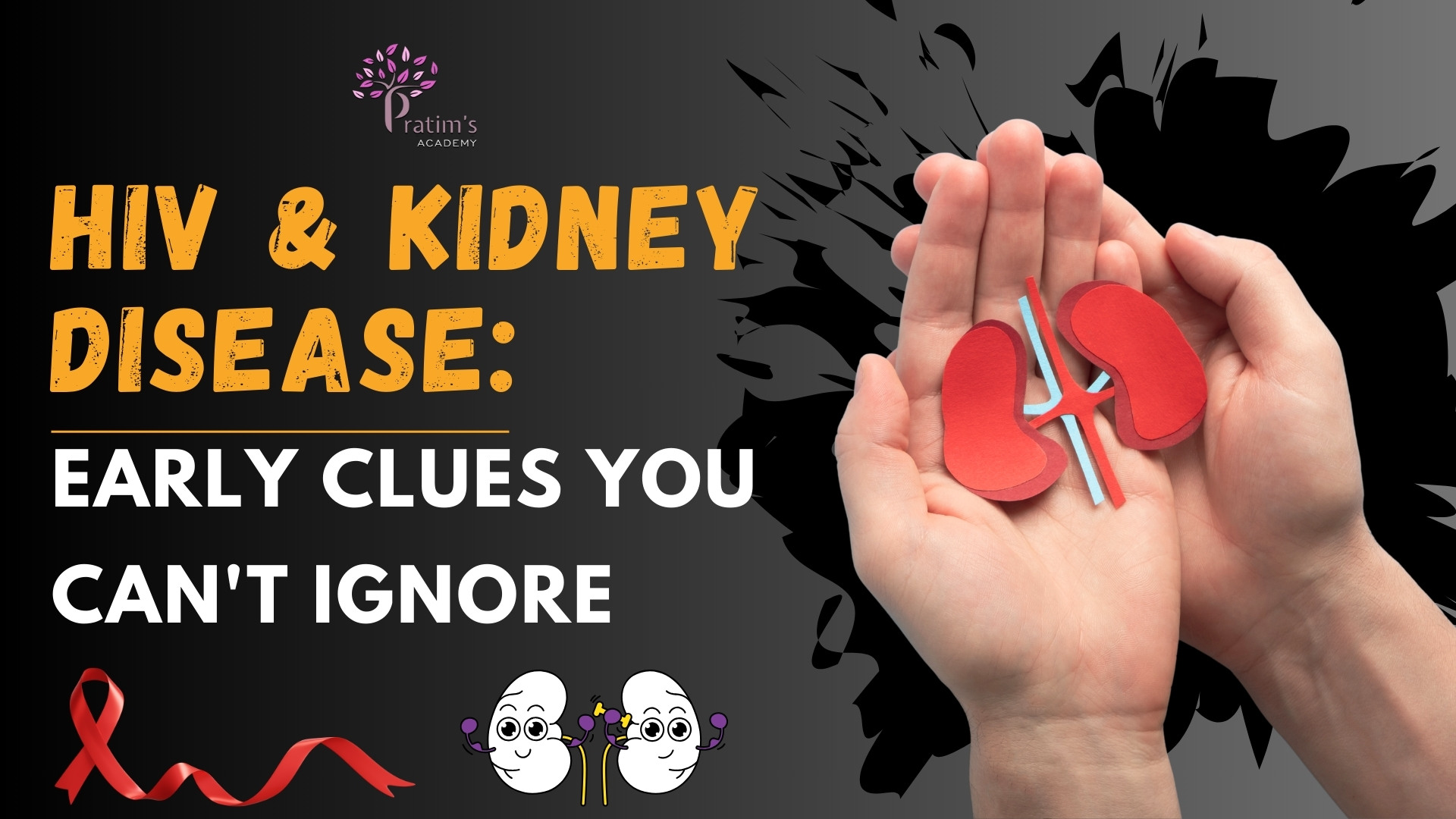
Learn how Human Immunodeficiency Virus (HIV) affects your kidney health. Understand symptoms, HIVAN risks, ART medication safety, tests, and prevention tips from the doctors and experts.
Your kidneys work continuously to filter waste, regulate electrolytes, control blood pressure, and maintain your internal balance. For people living with HIV, kidney health deserves special attention – because both HIV infection and certain medications can influence kidney function over time.

Thanks to modern Antiretroviral Therapy (ART), most people with HIV live long, healthy lives. Still, awareness and regular monitoring ensure early detection and a strong defence against complications. At Nephro Care India Ltd., patient empowerment through education is a core mission.
HIV may impact the kidneys through:
In some individuals, HIV directly affects kidney cells – especially the glomeruli – causing HIV-Associated Nephropathy (HIVAN).
Features of HIVAN:
The good news: with effective ART and early diagnosis, HIVAN is now far less common.
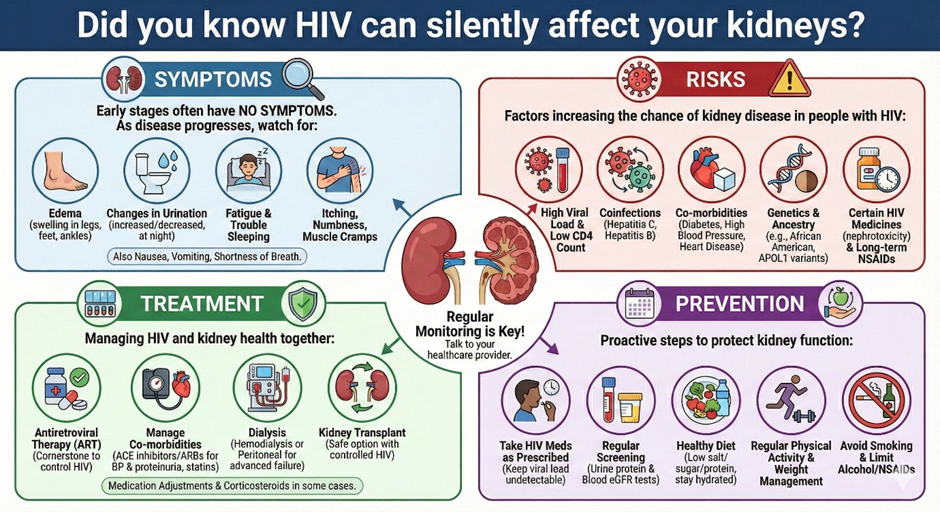
People living with HIV often face other health conditions that can damage the kidneys:
These factors can silently worsen kidney function, making routine check-ups vital.
Some older HIV medicines, particularly early versions of tenofovir disoproxil fumarate (TDF) were associated with kidney stress in certain individuals.
Today, safer alternatives like tenofovir alafenamide (TAF) significantly reduce kidney-related risks.
At Nephro Care India and Vivacity Multispecialty Hospital, ART regimens are chosen with kidney safety in mind, and adjustments are made for high-risk patients.
Kidney disease is often silent in its early stages. When symptoms do appear, they may include:
Because early damage may show no symptoms, regular blood and urine tests are essential.
1. Strict Adherence to ART
Consistent medication prevents HIVAN, controls inflammation, and protects overall kidney health.
2. Routine Kidney Function Monitoring
Your doctor will check:
These tests enable early intervention.
3. Control Blood Pressure and Blood Sugar
Good management of hypertension and diabetes significantly reduces kidney strain.

4. Review All Medications with Your Doctor
Always inform your healthcare provider of any new medicines – including OTC painkillers and supplements.

5. Adopt Kidney-Friendly Lifestyle Habits
1️⃣Can HIV cause kidney failure?
✔️ Yes. HIVAN, diabetes, high blood pressure, and medication-related toxicity can lead to kidney failure if not addressed early.
2️⃣ Which HIV medicines may affect kidney function?
✔️ Older Tenofovir (TDF) increases kidney risk in some individuals. Newer Tenofovir Alafenamide (TAF) is much safer.
3️⃣ What early signs suggest kidney problems in HIV patients?
✔️ Swelling, foamy urine, fatigue, reduced urine output, nausea, and itching. However, many patients show no early symptoms: screening is crucial.
4️⃣How often should kidney tests be done?
✔️ Every 3-6 months, or more frequently if you have diabetes, hypertension, or are on TDF-based ART.
5️⃣ Is HIVAN still common today?
✔️ Its occurrence has reduced significantly with effective ART. Maintaining viral suppression is the best preventive strategy.
6️⃣ Can kidney damage be reversed in HIV patients?
✔️ Early-stage damage due to dehydration or medication effects can improve. Chronic kidney disease requires long-term care.
7️⃣ What protects the kidneys most in HIV patients?
✔️ ART adherence, regular monitoring, controlling comorbidities, avoiding nephrotoxic drugs, and maintaining a healthy lifestyle.
Maintaining kidney health is an essential part of long-term HIV care. With consistent ART, regular monitoring, and timely management of associated conditions, most HIV-related kidney complications are preventable. At Nephro Care India Ltd., we are committed to providing comprehensive, patient-centred care that supports both HIV management and kidney wellness. If you have concerns about your kidney function, seek medical advice early: early action ensures stronger protection and healthier years ahead.

© 2025, Dr. Pratim. All Rights Reserved. Powered By NCIL IT Team