08069841500
 support@drpratim.com
Follow Us :
08069841500
support@drpratim.com
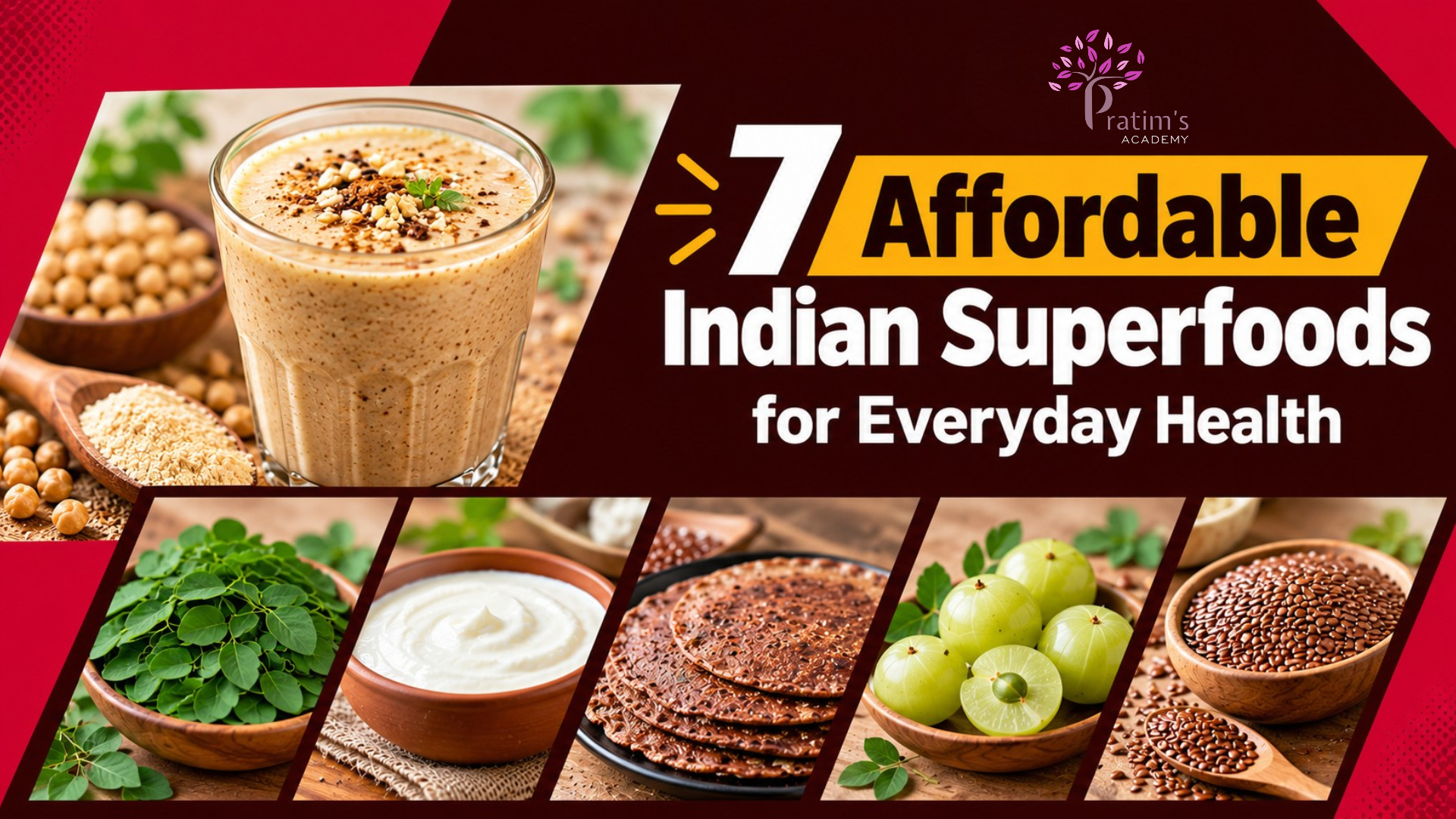
Who says healthy eating has to be expensive? Some of the healthiest foods are already in your kitchen!
When someone says “superfood,” what comes to your mind? Expensive chia seeds, quinoa, kale, or fancy protein powders?
But here’s something interesting. Our parents and grandparents were eating superfoods long before they became popular on Instagram. They simply called them ghar ka khana!
From a refreshing glass of sattu sharbat to a bowl of homemade dahi, traditional Indian foods are full of goodness. And the best part? You don’t need to spend a fortune to enjoy them.
So, before adding another expensive health product to your shopping cart, take a look at these 7 affordable Indian superfoods that might already be sitting on your kitchen shelf.
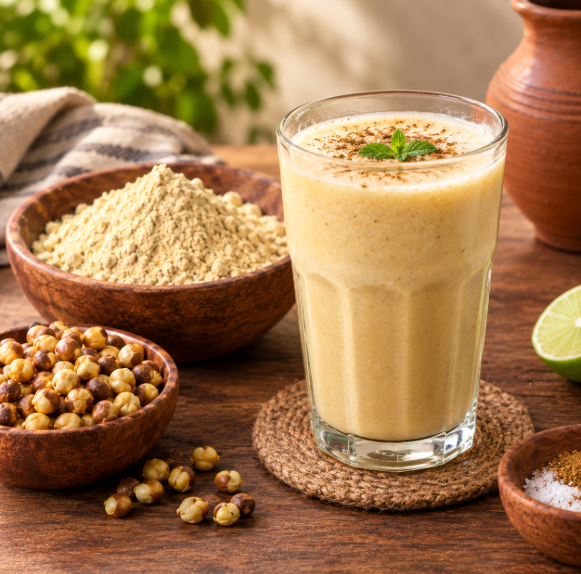
Remember drinking a glass of cold sattu sharbat on a hot summer afternoon? That simple drink is more nutritious than you might think!
Sattu is made from roasted chana and is especially popular in Bihar, Jharkhand, and Uttar Pradesh.
Why is it good for you?
Sattu contains protein, which helps keep your muscles strong, and fibre, which keeps your stomach full for longer. It also provides iron and other important nutrients.
If you often feel hungry between meals, sattu can be a filling snack instead of biscuits or chips.
How can you eat it?
Small healthy tip: Try a glass of sattu sharbat as your evening snack. Avoid adding too much sugar or salt.
We all know drumsticks, or sahjan, which are commonly added to dal and curries. But did you know their leaves are also packed with nutrients?
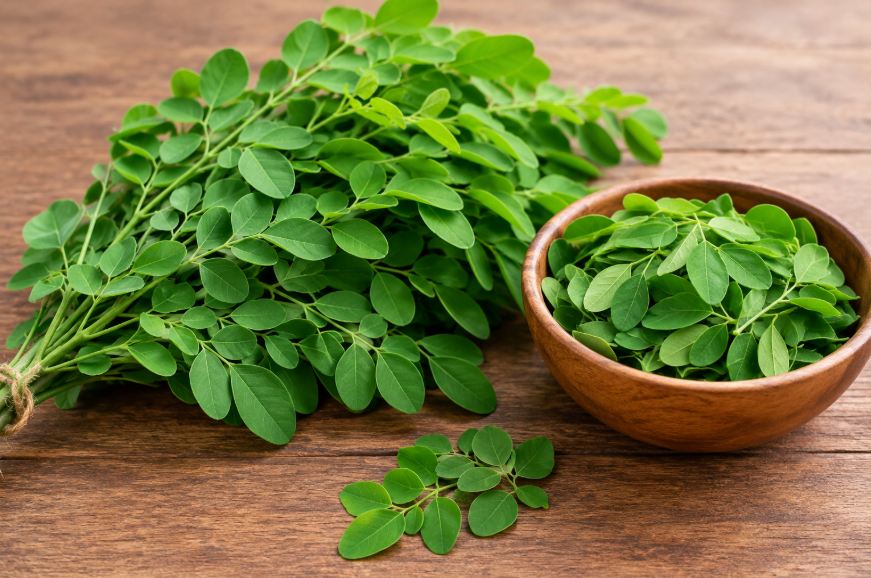
These small green leaves are often overlooked, even though they can be a wonderful addition to everyday meals.
Why are they good for you?
Moringa leaves contain iron, calcium, and vitamins that help support strong bones, healthy eyes, and the body’s natural defence system.
They are especially useful for adding more nutrients to a vegetarian diet.
How can you eat them?
Small healthy tip: Add a squeeze of lemon to moringa dishes. Vitamin C from lemon helps your body absorb iron from plant foods.
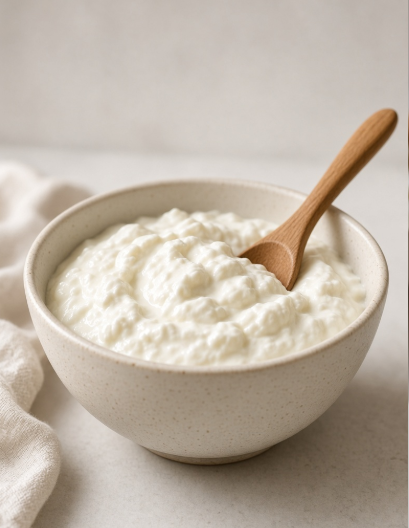
A bowl of homemade dahi is something most Indian households are familiar with.
Whether you enjoy it with rice, roti, or as a refreshing glass of chaas, curd is a simple food that offers plenty of goodness.
Why is it good for you?
Curd contains calcium, which helps keep your bones and teeth strong. It also provides protein for your muscles.
The friendly bacteria found in traditionally prepared curd may help support digestion and gut health.
How can you eat it?
Small healthy tip: Choose plain curd instead of sweetened or flavoured varieties. Homemade curd is usually a budget-friendly choice.
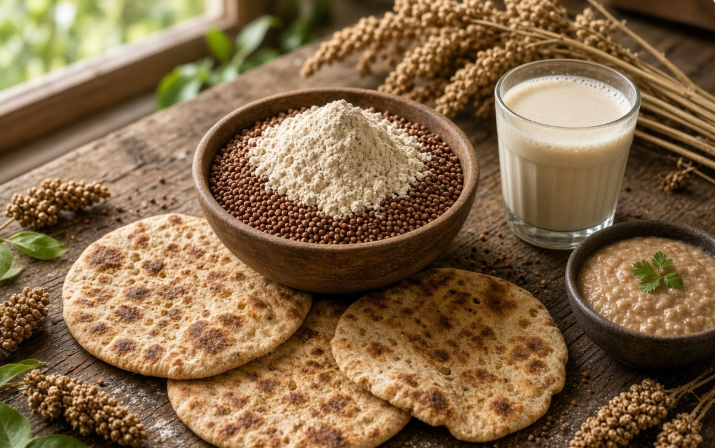
Before oats and imported breakfast cereals became popular, many Indian families regularly ate ragi.
Also known as finger millet or nachni, ragi is a traditional grain that can easily become part of your everyday meals.
Why is it good for you?
Ragi is rich in calcium, which helps maintain strong bones and teeth. It also contains fibre, which supports digestion and helps you feel full.
It can be a useful choice for children, older adults, and people who do not consume much milk.
Ragi is naturally gluten-free, making it an option for people who need to avoid gluten.
How can you eat it?
Small healthy tip: New to ragi? Start by mixing a little ragi flour with your regular atta. This makes it easier to get used to the taste.
Remember, ragi still contains carbohydrates, so people with diabetes should pay attention to portion sizes.
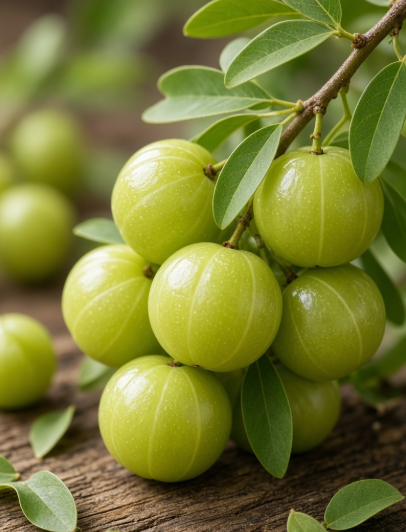
That little green, sour fruit sitting in the vegetable market is more powerful than it looks!
Amla, also known as Indian gooseberry, has been part of Indian food traditions for generations.
Why is it good for you?
Amla is rich in vitamin C, which helps your body fight infections, heal wounds, and maintain healthy skin.
Vitamin C also helps your body absorb iron from foods such as dal and green leafy vegetables.
How can you eat it?
Small healthy tip: Fresh amla is generally a better everyday choice than sugary amla candy or murabba.
And remember, amla supports good nutrition, but it is not a magic cure for hair fall or low immunity.
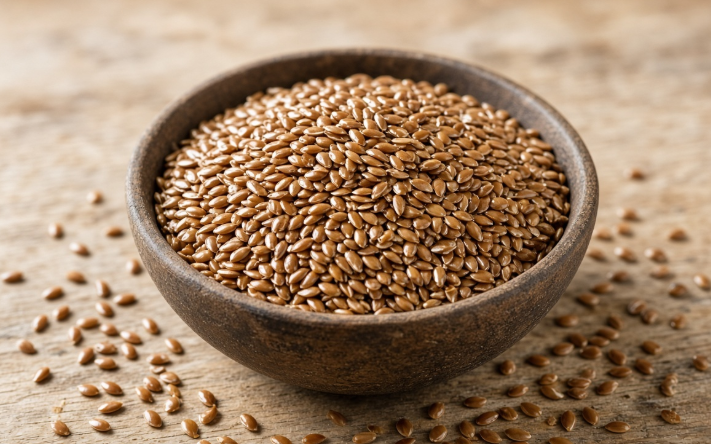
You may have heard a lot about expensive chia seeds. But have you ever looked at flaxseeds, or alsi?
These tiny brown seeds are affordable, easy to find, and full of useful nutrients.
Why are they good for you?
Flaxseeds contain healthy fats called omega-3 fatty acids, which support heart health.
They also provide fibre, which helps digestion and may support healthy cholesterol levels.
How can you eat them?
Small healthy tip: Ground flaxseeds are easier for your body to use than whole seeds. Store the ground seeds in an airtight container in the refrigerator.
Just one tablespoon can be a simple addition to your daily meals.
Remember eating boiled kala chana with onion, lemon, and a little salt?
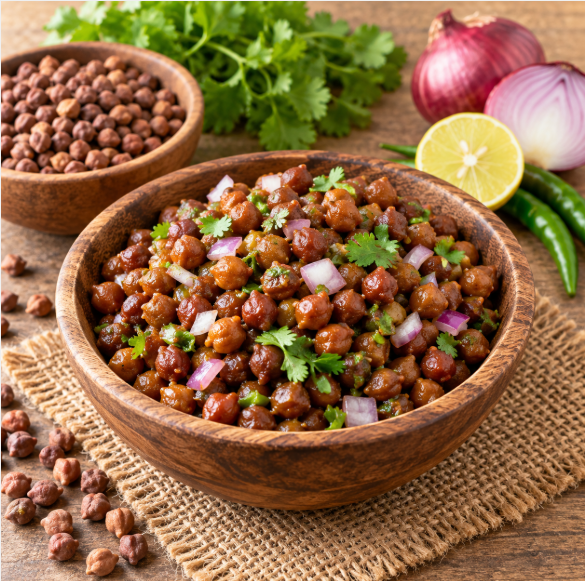
That simple snack is not only tasty but also full of nutrients.
Kala chana, or black chickpeas, is one of the most affordable foods you can keep in your kitchen.
Why is it good for you?
Kala chana contains protein, which helps maintain muscles, and fibre, which keeps you feeling full. It also provides iron and folate, nutrients that help your body make healthy blood cells.
Because kala chana digests relatively slowly, it can be a useful part of a balanced diet for people managing blood sugar.
How can you eat it?
Small healthy tip: Soak kala chana overnight and cook it properly before eating. This makes it softer and easier to digest.
Instead of reaching for fried snacks every evening, try a small bowl of homemade kala chana chaat.
Even healthy foods may not be suitable for everyone in the same amounts.
For example, people with kidney disease may need to be careful about certain foods because they contain potassium, phosphorus, or protein.
If you have kidney disease, diabetes, or another medical condition, ask your doctor or dietitian which foods and portions are right for you.
Eating healthy doesn’t mean filling your kitchen with expensive imported foods.
Sometimes, all you need is a glass of sattu sharbat, a bowl of homemade dahi, a little amla chutney, or some boiled kala chana.
These simple Indian foods have been part of our meals for generations, and they still have plenty to offer.
You don’t need to eat all seven every day. Just try including different nutritious foods in your regular meals.
So, the next time someone tells you that healthy eating is expensive, remind them that some of the best foods are already hiding in our Indian kitchens!
1. Can I eat these superfoods every day?
Yes, many of them can be included regularly in your meals. However, eating a variety of foods is more important than eating one particular superfood every day.
2. Which Indian superfoods are good for weight loss?
Sattu, kala chana, ragi, and flaxseeds contain protein or fibre that can help you feel full. But no single food causes weight loss on its own.
3. Which superfood is best for vegetarians?
Sattu and kala chana are useful sources of plant protein. Curd also provides protein and calcium, while moringa leaves add vitamins and minerals.
4. Can people with diabetes eat these foods?
Many of these foods can fit into a diabetes-friendly diet. However, portion sizes and the way foods are prepared matter, especially for ragi, sattu, and kala chana.
5. Are these superfoods safe for kidney patients?
It depends on the person’s kidney condition and blood test results. A renal dietitian can help decide which foods and amounts are suitable.

© 2025, Dr. Pratim. All Rights Reserved. Powered By NCIL IT Team